

In an era where “sustainability” is often a marketing buzzword, Envoy Textiles Ltd. is proving that true environmental impact comes from integrated engineering, not just isolated initiatives. By processing 700 metric tons of fabric waste every month, the company is moving beyond traditional manufacturing to become a powerhouse of the circular economy.
A Systemic Approach to Sustainability
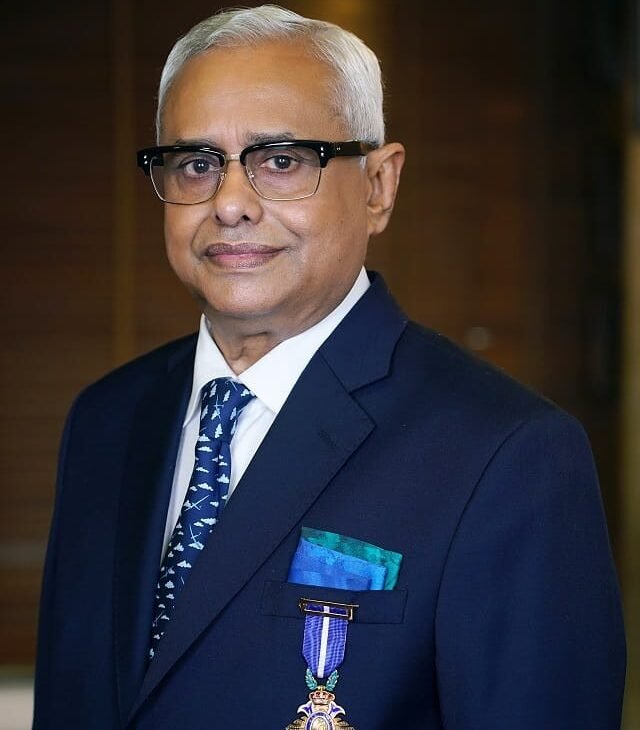
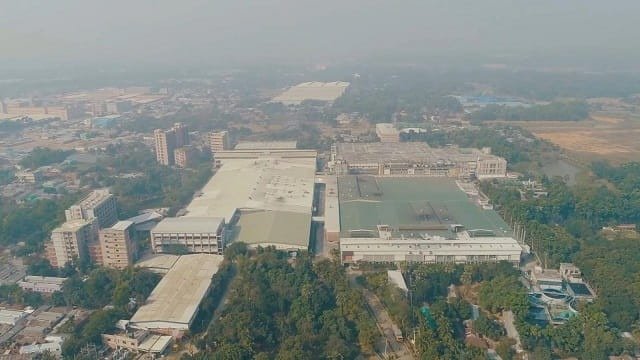
The philosophy at Envoy, led by Founder and Chairman Kutubuddin Ahmed, views the factory as an ecosystem. Unlike operations where green features are “added on,” Envoy’s facility is designed to work with natural conditions. The factory’s “Eco Park” and extensive plantations don’t just look good—they actively maintain a lower ambient temperature, reducing the energy load required for cooling.
The Math of Circularity: 700 Tons and Counting
During a recent walkthrough of the facility, Mohammed Al-Tauhidul Islam, Additional General Manager of Sustainability, revealed the company’s precision-based goals.
“Envoy has very specific sustainability goals. One of the key commitments is achieving 100% sustainable material usage by 2030,” Islam stated. “By 2025, we have already reached around 49.82%, and we are working step-by-step to reach the full target.”
The backbone of this achievement is a massive recycling infrastructure capable of processing 700 MT of both pre-consumer (PCW) and post-consumer waste monthly. While post-consumer waste presents technical challenges due to contamination, Envoy’s R&D teams are successfully converting this waste into “buyer-quality” fiber.
Closing the Loop in Spinning and Weaving
At the production level, the transition to circular materials is already mature. Majibur Rahman, Head of Spinning, noted that 80% to 90% of current yarn orders are now related to recycled, traceable, or organic materials.
“Since 2022, we implemented a comprehensive recycling framework,” Rahman explained. “We are moving into fabric recycling or pre-industrial waste (PIW). This allows us to stabilize input variability and produce yarn from up to 100% recycled fibers depending on the requirement.”
Nanda Dulal Biswas, Plant Head, added that the company operates two in-house fabric recycling plants. “We collect weaving waste, blend it with blow room waste, and convert it back into usable fiber. We plan to expand this capacity by an additional 1,000 tons per month in the near future.”
Zero Waste to Landfill
Envoy’s commitment extends to the molecular level. Hazardous waste is managed via co-processing in cement production, while organic waste is fed into a biogas plant. This plant generates 30 cubic meters of energy per hour, providing gas to 21 local families and producing organic fertilizer for the factory’s own grounds.
The Road Ahead
With a target to reduce greenhouse gas emissions by 56% by 2030 and an expanding solar footprint of 2.2 MW, Envoy Textiles is positioning itself to meet increasingly stringent European and American regulations.
